1. Home
  2. Explore
  3. What is money?

What is money?

From necklaces, gold coins, and shells to a piece of paper or numbers on a screen. Money has existed in many different forms throughout history. But if people agree on it, almost anything can be used for payment.

Today, almost everyone in Sweden lives in what is commonly called a monetary economy. This means that everyone accepts the money we use, such as coins, banknotes, and debit cards. They can be used for anything that costs something: goods, services, taxes, and fines. Therefore, they are sometimes referred to as perfect currencies.
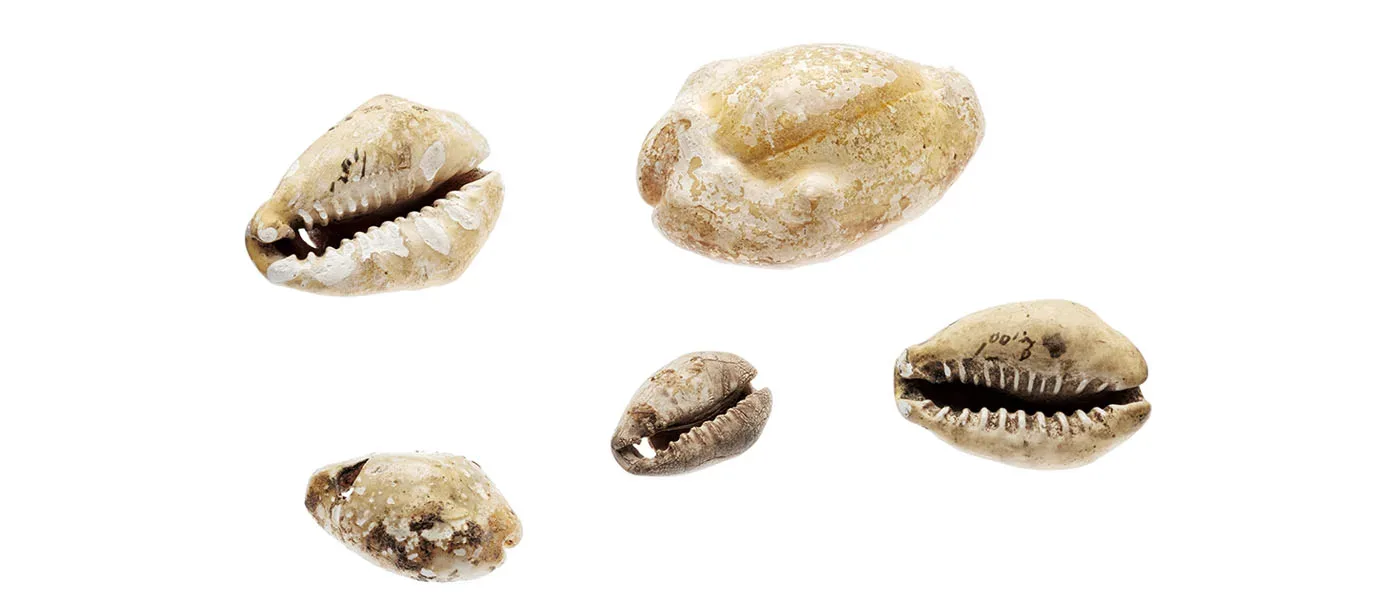
Five cowrie shells
Photo: Ola Myrin, National Historical Museums (CC BY 4.0)

Money is more than coins

But in a large part of the world, other types of money have been used. In some places, for example, there have been different types of money depending on what was being purchased. For ritual payments, such as during a marriage, one type of money could be used while another currency was used for everyday purchases.

In China, India, Southeast Asia, Oceania, and Africa, cowrie shells have been used as payment. The shells were often strung together to make them easier to count and transport. They were often used together with other currencies – even with coins.
Is money culture? 

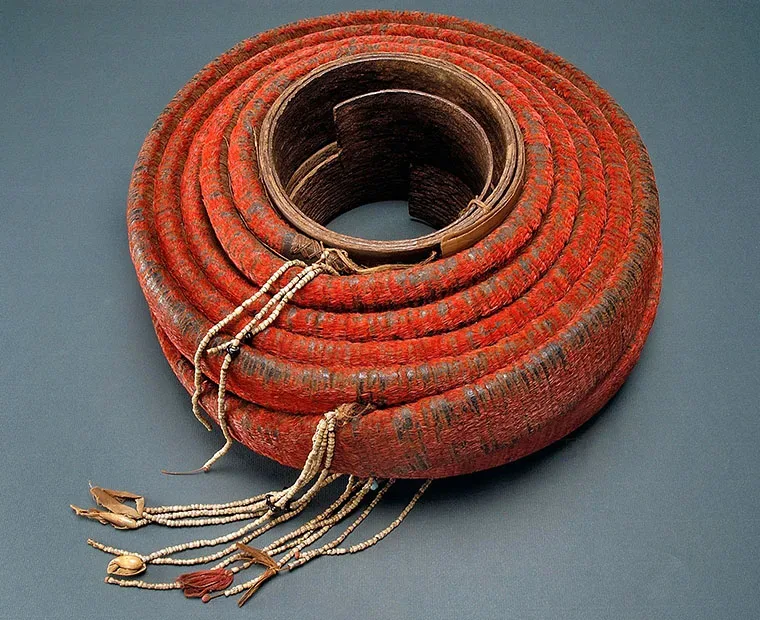
In the Santa Cruz Islands in the Pacific, people used money that took years to make. They were called "Tevau" and consisted of red feathers from up to 600 birds. One of the things that gave the feather money its value was the red color. As the feathers faded over time, the money became less valuable.

An image of a red, rolled-up feather coin, also called Tevau. Bands with beads and shells can be seen on the side of the coin.

Stone money 

In another part of the Pacific, on the Yap Islands, large stones have traditionally been used as currency. They are called Rai stones and can weigh up to six tons.

The stones came from the island of Palau – over 400 kilometers away – and were rowed to the Yap Islands using canoes and bamboo rafts. It was not uncommon for people to die during the dangerous journey.

Today, the official currency on the Yap Islands is the US dollar, and the dollar is used to buy things like food and gasoline. However, Rai stones are still used for certain traditional payments – for example, to apologize to someone.

A Rai stone with a hole in the middle standing on a podium.

Who decides what money is?

The line between what is considered money and what is not is therefore not entirely clear. A stone that may not be usable for payment at all in Sweden can have a high value on the Yap Islands.

What is considered money simply depends on who is using it.

Want to know more?

Explore money and economics in our exhibitions.

Utställning med föremål och skärmar.

Main sponsor of the Economy Museum

Swedbank